




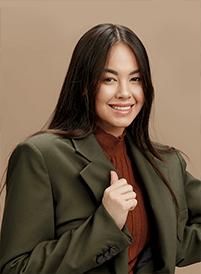

Lena Plata
Second-Year psychology student at VIZJA University
Lena Plata has been successfully developing her karate career for many years. Through consistent hard work, determination, and commitment, she has become one of the most promising athletes of her generation. Among her greatest achievements are three gold medals won at the WKA World Championships in Malta, where she proudly represented Poland on the international stage. Lena competes successfully in both individual and team events, consistently demonstrating a high level of athletic performance.
Sport has taught her discipline, perseverance, and responsibility—values she applies far beyond the dojo. Through her attitude and achievements, she inspires young people to stay active and pursue ambitious goals. Despite her many successes, she continues to push herself forward, treating every new challenge as motivation for further growth. Her story shows that talent combined with hard work can lead all the way to the top of the world podium.
 Gallery of works Lena Plata
How did your journey with karate begin?
My karate journey began even before I started school. My parents have been running our Academy for over 30 years, so you could say it’s a family tradition. Since I was a small child, they took me to our summer training camps, where I took my very first steps on the mat. From then on, I started training regularly.
When did you realize that you wanted to pursue this sport seriously?
Karate had been my passion since childhood. A turning point in my training came in 2019, when I was selected for the national team for the first time, which gave me the opportunity to compete at the World Championships in Tokyo. After that experience, I realized I wanted karate to be more than just a hobby.
Why did you decide to study psychology while also training competitively?
Psychology had fascinated me for many years, and I always planned to pursue an education in this field. By the time I was choosing my university program, I had already achieved a great deal in sport. However, karate is more than just a sport to me—it is a philosophy and an art of maintaining motivation. Studying psychology has helped me develop the right mindset toward my discipline and taught me how to manage stress and perform under pressure.
What does balancing university studies and training look like in your daily life?
Combining academic studies with competitive training can be challenging. As an experienced karate athlete and a student, I believe the key lies entirely in our willingness to make it work. Sport and psychology complement each other perfectly, so I do not see them as conflicting areas. They help me become more aware of what I do and how I feel.
Why did you choose our university?
VIZJA University was my first choice from the very beginning. The atmosphere, professionalism, and teaching methods perfectly matched what I imagined university life would be like. Classes with our lecturers are engaging, insightful, and provide the knowledge I need in a way that strongly motivates me to learn.
What makes VIZJA University stand out?
After nearly two years of studying at the university, I can say that what truly distinguishes it is its modern approach and student-centered environment. Studying here encourages me to keep developing and reinforces my belief that psychology is the right field for me and the one I want to build my future around.
What made you choose psychology, and what interests you most about it?
My fascination with psychology began many years before I started university. Even in primary school, I was curious about how people function and where emotions and thoughts come from. Before officially becoming a student, I gained knowledge through books, podcasts, and my own observations. I want to build my future around psychology mainly because I have always wanted to help others. What I value most about this field is that it teaches us how to nurture relationships, understand other people, cope with work and studies, and support those closest to us.
Do you see elements of psychology that help you in sport—for example, in dealing with stress and pressure?
Yes, absolutely. Basic psychological knowledge is essential for any athlete. When we understand how our minds work and where emotions come from, it becomes much easier to develop a healthy approach to our passions, identify the source of our stress, and consciously eliminate harmful habits—such as the fear of not being perfect. Thanks to my studies, I have learned to manage the stress that often accompanies athletes before competitions.
What is more challenging for you—preparing for exams or preparing for competitions?
I can definitely say that studying for exams is more difficult for me. Sport has been part of my life for as long as I can remember, while I have only recently become a university student. Experience makes a big difference. Both require discipline and consistency, but I am still adapting to academic life.
How do your lecturers and fellow students react to your sporting passion?
I have to admit that it creates a very positive first impression. I’m happy to inspire my peers and introduce them to my sporting world. My achievements also allow lecturers to see me as an ambitious and determined person.
What has karate taught you that also helps you in your studies and everyday life?
Of everything that years of training and competition preparation have taught me, I believe the most valuable lesson for everyday life and studying is maintaining consistent motivation. Being a student and a young adult requires self-discipline in every aspect of life—work, passions, and pursuing personal goals. The motivation karate has given me is not just a desire for continuous improvement. More importantly, it is a mature approach to daily responsibilities and challenges. I have learned that instead of striving for impossible perfection, what truly matters is moving forward, never giving up, and becoming the best version of yourself.
What do you feel after achieving success, knowing how much work it took to balance studies and sport?
Every success is a significant moment for me. Knowing how much effort and dedication I have invested in balancing the two most important aspects of my life gives me confidence that nothing has been wasted. Preparing for competitions requires enormous patience, precision, and strong time-management skills. Over the years, I have become accustomed to organizing my schedule so that nothing overlaps, allowing me to make the most of my abilities both in my studies and in my passion.
What advice would you give to people trying to combine sport and education?
Don’t get discouraged if it feels difficult at first. Set your priorities and do your best to develop in both areas. As you gain experience, you will see that none of your efforts have been wasted and that you are constantly improving. Combining education and passion is a major challenge, but it is our passions that make us unique. By becoming educated and achieving both small and major successes, we build something that no one can ever take away from us.
Other stories from our students
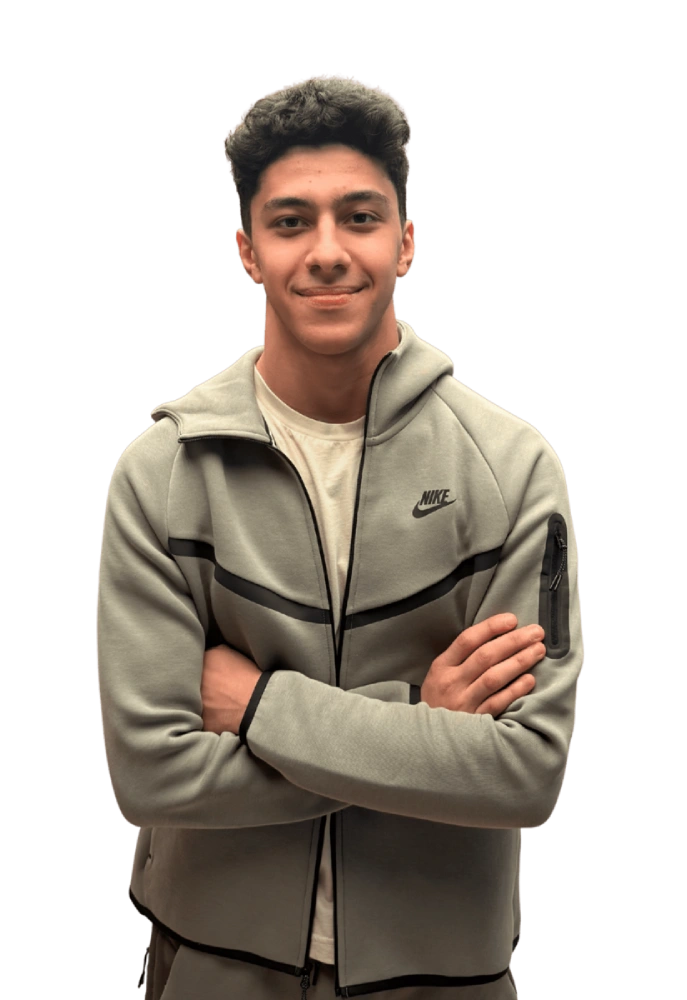
If something truly matters to you, you’ll find the motivation and the strength to make space for it in your life.
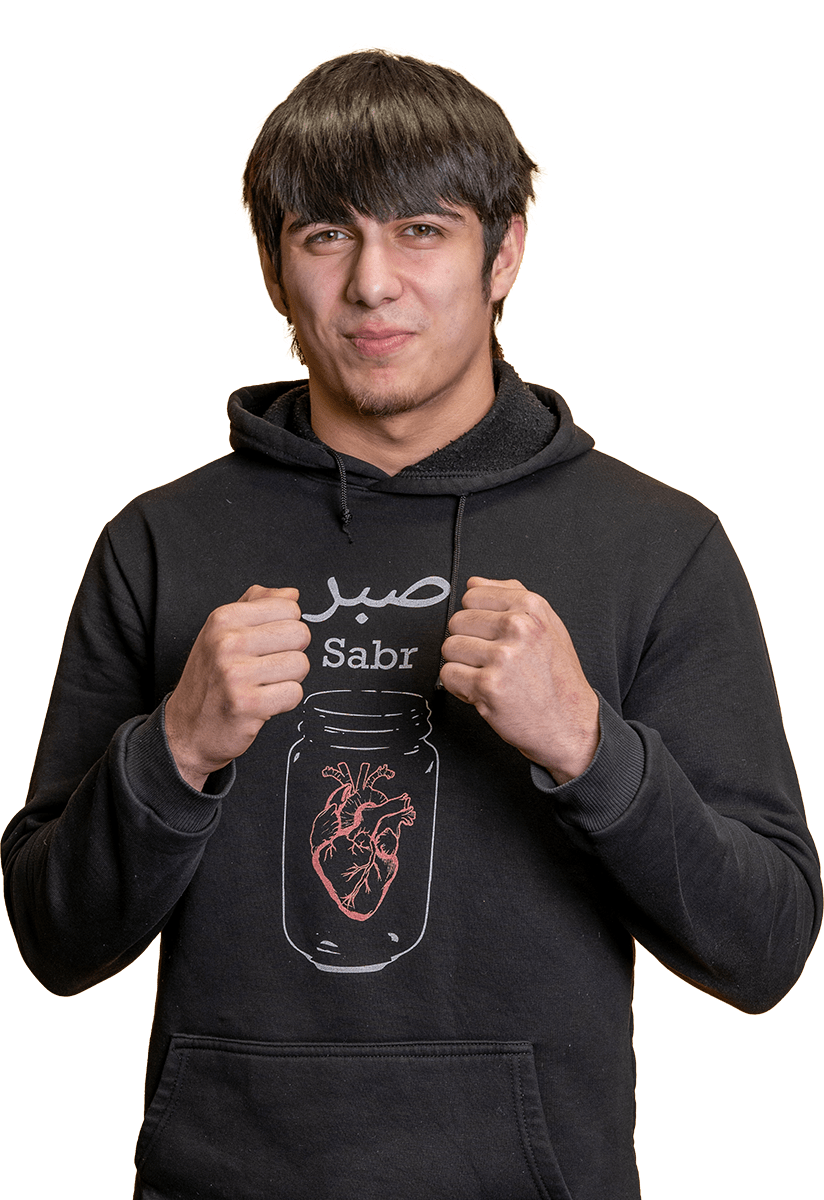
Patience and hard work: our student is second at the Polish Sambo Championship
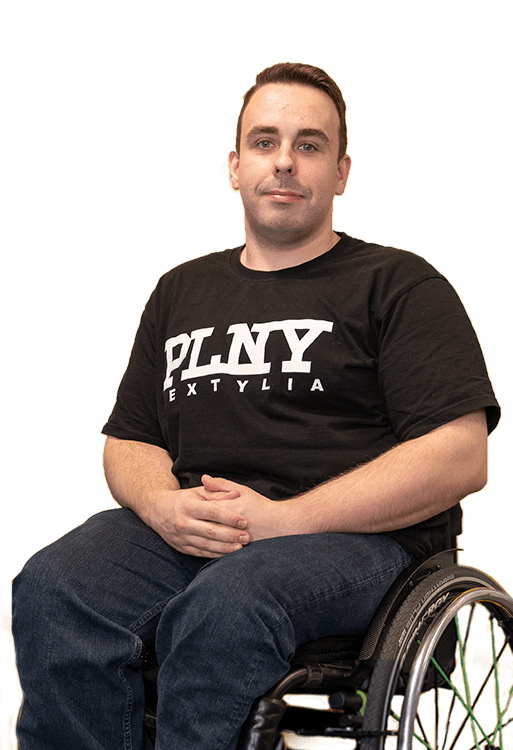
Our sportsman is a participant of the Paralympic Games 2024 in Pariss
Check our offers
- Language courses
- Animal behaviour and psychology
- Architecture
- Art Education
- Chillout Studies
- Cognitive Science and Artificial Intelligence
- Computer Science (Informatics)
- Correctional Rehabilitation
- Cosmetology
- Criminology and Forensic Science
- Culinary arts
- Cybersecurity
- Dietetics
- Economics
- English Philology
- Fashion Design & Sustainable Fashion Management
- Film and Television Production Management
- Finance and Accounting
- Financial Technology (FinTech)
- Interior Design Architecture
- International Relations
- Italian Studies
- Landscape Architecture
- Logistics
- Management
- Marketing
- New Media and Public Relations
- Urban planning and development
- Physiotherapy
- Political Science
- Psychology
- Public Health
- Real Estate and Investments
- Social Media and Digital Marketing
- Spanish Philology
- Tourism and Recreation